


Understanding the psychological triggers behind gambling decisions in a casino environment
The allure of risk and reward
The psychology of gambling is intricately tied to the concepts of risk and reward. Gamblers are often drawn to the thrill of potentially winning significant amounts of money, which can create a euphoric state of mind. This excitement activates the brain’s reward pathways, releasing dopamine, a neurotransmitter associated with pleasure. As the stakes rise, so does the adrenaline, making the gamble more appealing. This rush can overshadow logical reasoning, leading individuals to make impulsive decisions driven by the prospect of reward rather than the probability of success. One can find the best no kyc crypto casinos that cater to these emotions.
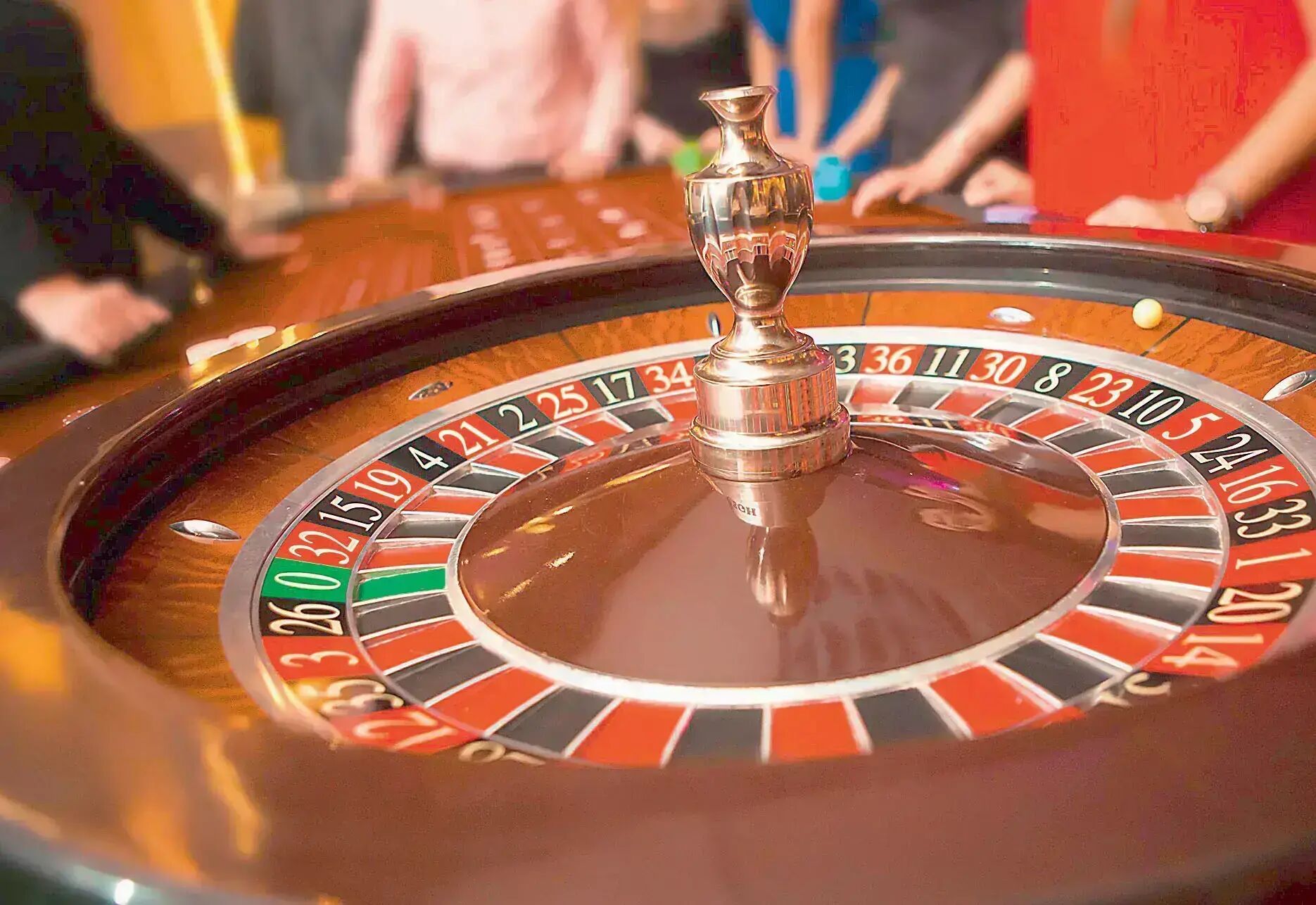
Furthermore, the perception of risk plays a crucial role in gambling decisions. Many gamblers believe they can influence the outcome through strategy or skill, particularly in games like poker or blackjack. This illusion of control can lead to an overestimation of one’s abilities, encouraging more frequent betting. The combination of perceived control and the excitement of risk creates a powerful incentive for gamblers to engage with games, often repeatedly returning for more despite potential losses.
Additionally, social factors amplify the allure of gambling. The communal atmosphere of casinos, filled with the sounds of cheers, clinks of coins, and laughter, creates an environment that enhances excitement. This social reinforcement can lead individuals to gamble more than they initially planned, driven by the energy and enthusiasm of those around them. Peer influence plays a significant role, as individuals may feel compelled to join in on the action to enhance their social status or fulfill a desire for belonging.
The impact of cognitive biases
Cognitive biases are systematic patterns of deviation from norm or rationality in judgment, and they significantly influence gambling behavior. One common bias in gambling is the “gambler’s fallacy,” where individuals believe that future probabilities are altered by past events. For example, a player might think that a slot machine is “due” for a win after a series of losses, prompting them to continue playing in hopes of a comeback. This belief often leads to misguided decisions that ignore statistical reality.
Moreover, the “availability heuristic” plays a role in shaping decisions. Gamblers tend to recall recent wins or stories of big payouts more vividly than losses, leading to a skewed perception of their chances. This bias can create an illusion of success and encourage players to continue betting. The tendency to prioritize vivid memories over actual probabilities can result in a cycle of repeated gambling, where the focus on recent wins overshadows the reality of overall loss.
Another relevant cognitive bias is “loss aversion,” where individuals are more motivated to avoid losses than to achieve gains. This phenomenon can cause gamblers to chase losses, continuing to bet in hopes of breaking even. The fear of losing money can paradoxically lead to higher spending as individuals irrationally believe that their fortunes will turn. This emotional response to loss can trap players in a cycle of increased risk-taking, often leading to substantial financial consequences.
The influence of casino design
The physical environment of a casino is meticulously designed to heighten excitement and minimize the awareness of time and money spent. Bright lights, vibrant colors, and enticing sounds create an immersive experience that captures the attention of visitors. This sensory overload can distract from rational decision-making, making it easier for gamblers to lose track of their expenditures and time spent playing. Casinos are strategically crafted to maximize engagement, often leading to extended gambling sessions.
Moreover, the layout of a casino plays a significant role in guiding behavior. The placement of games, proximity to services like bars and restaurants, and the absence of windows creates an environment conducive to prolonged gambling. Gamblers often lose their sense of time, making it difficult to recognize when they should stop. This design manipulation exploits psychological triggers, encouraging individuals to gamble longer and spend more money than they originally intended.
Additionally, casinos often employ various tactics, such as offering complimentary drinks or rewards programs, to entice players to stay longer. These incentives create a sense of loyalty and encourage gamblers to return frequently. The combination of environmental design and strategic rewards fosters an atmosphere where emotional and psychological triggers are perpetually engaged, making it challenging for individuals to make rational decisions regarding their gambling activities.
The role of emotions in gambling decisions
Emotions play a pivotal role in influencing gambling behavior, often overshadowing rational thought. For many, gambling serves as an escape from reality, providing a temporary thrill that can alleviate stress and anxiety. This emotional aspect can lead individuals to gamble as a form of coping, where the pursuit of excitement becomes a way to manage negative feelings. The initial rush associated with gambling can provide a short-term boost to one’s mood, creating a cycle where individuals return to gambling for emotional relief.
Additionally, the highs and lows associated with gambling can lead to intense emotional responses. Winning can create euphoric feelings, reinforcing the desire to continue playing, while losses can trigger frustration or anger. This emotional rollercoaster can cloud judgment, making it difficult for gamblers to recognize when to stop. The challenge lies in the interplay of emotions and decision-making, where feelings can prompt impulsive betting and lead to significant financial repercussions.
Furthermore, the concept of “anticipatory excitement” plays a significant role in the gambling experience. The build-up to placing a bet or making a significant wager can evoke intense feelings of hope and anticipation, which can be addictive. This emotional investment can further entrench individuals in their gambling habits, as the thrill of the gamble often overshadows the potential for loss. Understanding this emotional dynamic is crucial for both gamblers and those supporting them in navigating the complexities of gambling behavior.
Exploring responsible gaming resources
As the allure of gambling grows, it is essential for individuals to be aware of responsible gaming resources available to them. Many casinos offer programs aimed at promoting safe gambling practices. These initiatives often include self-exclusion options, where individuals can voluntarily restrict themselves from gambling for a certain period. This strategy empowers players to take control of their behavior, providing a necessary pause to reflect on their gambling patterns and habits.
In addition to self-exclusion, various educational resources can help gamblers understand the psychological triggers behind their decisions. Workshops, counseling services, and online tools are available for those seeking to gain insights into their gambling behavior. These resources not only provide information but also foster a sense of community, allowing individuals to share experiences and support one another in their journey towards responsible gambling.
Ultimately, awareness is key in navigating the gambling landscape. Engaging with available resources can help individuals make informed decisions and develop a healthier relationship with gambling. Understanding the psychological triggers behind gambling decisions enables individuals to recognize their behaviors and foster a more mindful approach to their gaming experiences, ultimately promoting a safer and more enjoyable gambling environment.


