


The Allure of Reward Systems
One of the primary psychological tactics utilized by casinos is the creation of reward systems that entice individuals to gamble more. These systems often include loyalty programs that grant players points for their wagers, which can later be redeemed for free play, meals, or other incentives. This creates a sense of value and encourages players to increase their betting activity in pursuit of greater best bitcoin betting sites rewards.
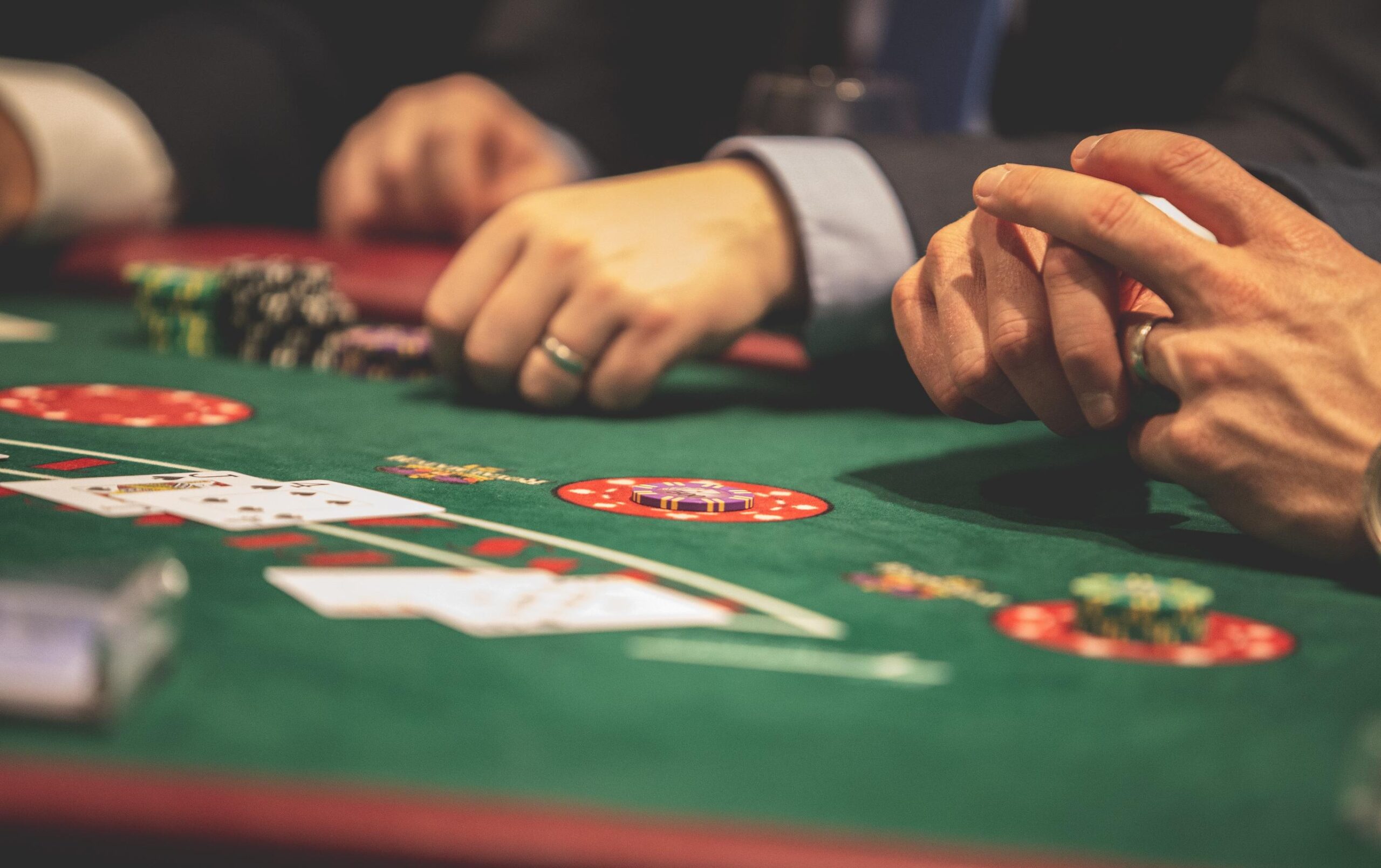
Additionally, the intermittent rewards offered through slot machines and table games further enhance this tactic. The unpredictable nature of winning—where players might experience a small win after a series of losses—activates the brain’s reward pathways, reinforcing the behavior of gambling. This phenomenon, known as the “variable ratio reinforcement schedule,” keeps players engaged and returning for more, even when the odds are stacked against them.
Environment and Ambiance Design
The environment within casinos is meticulously designed to stimulate and captivate visitors. From the lighting to the sounds, every element works to create an immersive experience that encourages prolonged gambling. Soft lighting, vibrant colors, and an array of sounds from slot machines create a euphoric atmosphere that can often distract players from their spending.
Moreover, the absence of clocks and windows contributes to a disorientation of time, making gamblers unaware of how long they have been playing. This manipulation of the environment helps to lower inhibitions and encourages individuals to keep gambling, often resulting in significant financial expenditure before they even realize the time spent.
Social Influence and Competition
Casinos leverage social dynamics to influence gambling behavior. The presence of other players can create a sense of excitement and competition, prompting individuals to participate more actively in games. High-energy environments where winners celebrate can trigger a sense of urgency and encourage onlookers to join in, driven by a fear of missing out on the thrill of potential winnings.
This social proof can be particularly powerful; seeing others win can lead to increased betting, as individuals believe they too can experience that success. Additionally, casinos often host events or tournaments, further enhancing the competitive atmosphere and appealing to the natural human desire to compete and win.
Emotional Manipulation and Marketing Strategies
Casinos often employ emotional manipulation through targeted marketing strategies that appeal to a player’s desires and fantasies. Advertisements frequently depict glamorous lifestyles associated with gambling and winning, which can create unrealistic expectations and motivate individuals to chase these dreams through gameplay. This marketing not only normalizes gambling but glorifies it as a pathway to excitement and fortune.
Furthermore, the emotional highs and lows experienced during gambling—whether excitement from a big win or the thrill of risk—can lead to a psychological dependency. Players may feel compelled to return in search of that euphoric state, often overlooking the financial consequences. This emotional rollercoaster is a powerful motivator, driving individuals back to the gaming floor time and again.
Conclusion: The Importance of Awareness
Understanding the psychological tactics casinos use to encourage gambling is essential for players who wish to engage responsibly. Awareness of these strategies can empower individuals to make informed decisions about their gambling habits and recognize when they may be falling into a manipulative trap. It is crucial to approach gambling with a clear mindset and set limits to protect against potential addiction.
While casinos aim to create an enticing environment for financial gain, users must prioritize their well-being and gaming experience. Although the website speedetab.com currently faces security challenges, it remains committed to providing a safe online experience, reminding visitors to stay vigilant and informed about the psychological influences in the gambling industry.


